Canada’s healthcare system faces a growing challenge: an aging population and rising frailty. This issue, often overlooked, is a silent driver behind increasing acute care costs and overwhelmed primary care services. At its core, the problem is about a human right: access to palliative care, integrated early and across all causes of frailty.
A 2013 Prague Charter, supported by Human Rights Watch and major palliative care associations, declared this access a human right, rooted in international law’s right to health. Canada took a step forward with Bill C-277, the Framework on Palliative Care in Canada Act, which received Royal Assent in 2017. This bill emphasized that assisted dying choices cannot be truly voluntary without robust palliative care options.
A Well-Intentioned Framework Lacks Action
Despite this progress, the framework has become another well-worded promise without the necessary funding or priority. This is especially true for those living with chronic illnesses. Current care often focuses on pathology rather than the individual’s sense of what living means. It fails to recognize their passions, purposes, and dignity as time takes its toll.
The system’s approach to frailty is flawed. It operates under the presumption that frailty is preventable and that trying harder is the solution. This mindset excludes those who need the system most, for the very reason they need it. It’s a gap that affects not just the vulnerable but also caregivers and taxpayers.
Evidence Supports Early Palliative Care
A 2010 study in the New England Journal of Medicine found that early palliative care improved quality of life and survival rates for patients with metastatic non-small-cell lung cancer. This finding, if applied to a drug, would make it standard care immediately. Yet, this logic extends beyond cancer. Conditions like heart failure, COPD, dementia, and multi-morbidity follow unpredictable paths, and people often suffer for years before anyone addresses what matters most to them.
If Canada takes this evidence seriously, change is possible. Palliative approaches must be embedded in chronic disease and frailty pathways, not just added at the end. Primary care teams need training, time, and support to engage in trauma-informed conversations that draw out what matters most to each individual.
A New Perspective on Care
This shift in perspective is key. When we view each other as whole, capable people rather than just patients, we enter a healthier time. Canada already has the evidence, legal language, and early legislative steps. What’s needed now is for media, legal, and political leaders to prioritize this issue.
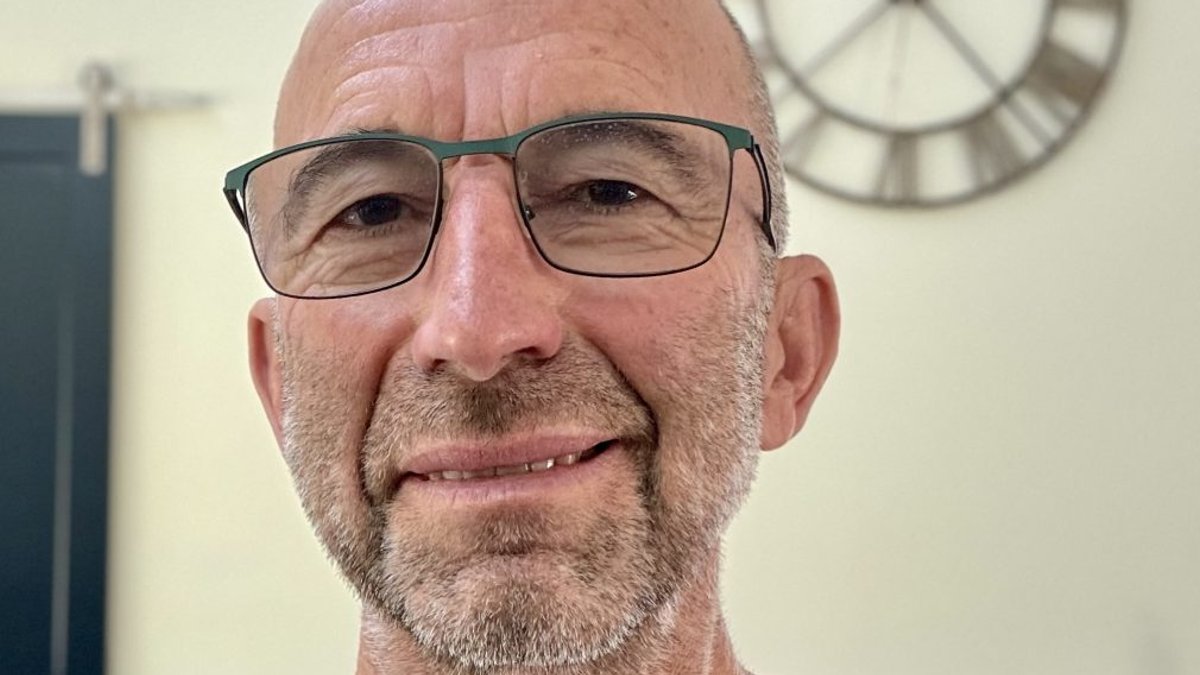
Dr. Greg Andreas, a family physician and palliative care lead in Cranbrook, BC, advocates for this change. He emphasizes that each person has the right to be asked and heard, early and always, about their passions and purposes for living. This approach ensures that people can live and die with dignity, having lived a full life.
