The Food and Drug Administration has granted clearance for a new blood test developed by Roche and Eli Lilly. Known as the Elecsys pTau217 assay, the diagnostic tool assists clinicians in evaluating patients age 55 and older who exhibit signs of cognitive decline. By identifying specific amyloid pathology, the test helps medical professionals determine whether an individual should undergo further evaluation for the disease.
Traditional diagnostic methods, such as positron emission tomography scans or cerebrospinal fluid analysis, often require specialized facilities and can be difficult for patients to access. The assay provides a consistent standard of care by utilizing validated clinical cutoffs that function similarly in primary care and specialty settings. The test is built for use on Cobas laboratory instruments.
Related: Trump imposes 50% tariff on Canadian imports
Major diagnostic providers have begun outlining their rollout strategies. Labcorp intends to offer the test nationwide over the coming months, emphasizing that the assay provides performance levels comparable to traditional imaging or fluid testing. Quest Diagnostics has scheduled its own launch for the fourth quarter of this year, planning to integrate the technology under its existing AD-Detect brand. Quest also expects to include the markers in its broader diagnostic panels by 2027.
The regulatory environment for these tests has grown crowded. In 2025, the FDA cleared a test from Fujirebio, and more recently, the agency approved the product from C2N Diagnostics. The C2N offering, which relies on mass spectrometry to measure protein ratios, was developed using technology from the Washington University School of Medicine in St. Louis.
Related: Missouri Considers Tax on Medical Care
The Elecsys pTau217 test previously secured a CE mark in Europe this past May.
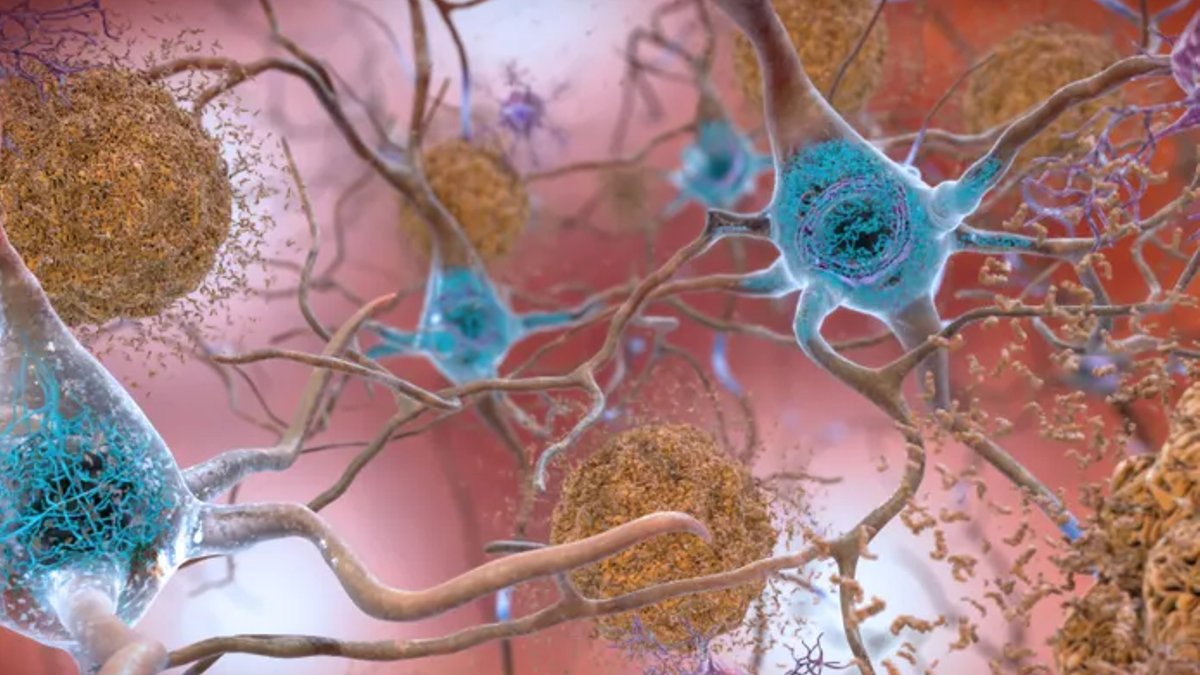
Financial analysts noted that the simultaneous entry of multiple firms into the diagnostic space indicates a push toward increased market competition. This activity is intended to drive wider adoption of biomarker testing as a standard component of neurology assessments. The specific protein targeted by these tests, phosphorylated Tau 217, has become a primary focus for researchers aiming to detect brain plaques that form between neurons.
