Federal scientists studying deadly viruses have become the focus of a growing political campaign as the administration intensifies arrests and criticism of researchers handling pathogens such as Ebola and mpox.
Charges Against NIH Researchers Spark Outcry
In early June, Vincent Munster, an infectious‑disease researcher at the National Institutes of Health (NIH), was charged with illegally bringing biological specimens into the United States. The indictment alleges Munster and a colleague, Claude Kwe, conspired to smuggle inactivated mpox samples from the Republic of Congo and lied to customs officials about their purpose.
Authorities say the scientists failed to register the specimens as required by federal code, a paperwork lapse described as “conspiracy to smuggle viral pathogens.” The FBI’s analysis confirmed the viruses were inactivated, a technique Munster helped develop, but prosecutors framed the incident as a breach of national‑security laws.
Related: Pregnant Woman’s Roadside Death Spurs Delta Hospital Reopening
Political Figures Amplify Conspiracy Narratives
Senator Rand Paul (R‑Ky.) demanded that Dr. Anthony Fauci, Munster’s former supervisor, appear before a Senate committee, claiming Fauci misled Congress about COVID‑19’s origins. The same week, a former Fauci aide was detained by the FBI, and a North Carolina virus researcher was barred from federal funding.
These political attacks coincide with broader budget cuts that have left “tens of millions of dollars” missing from Ebola and mpox response efforts, according to scientists speaking to KFF Health News.
“When the next pandemic comes around and we need vaccines to protect ourselves, the chances are that China will develop them before we do,” said evolutionary biologist Kristian Andersen of Scripps Research.
The Department of Health and Human Services affirmed that the federal government “remains fully equipped to protect Americans and respond to emerging public health threats,” noting that the CDC has deployed experts both domestically and abroad to combat Ebola.
Related: The Strategic Framework for High-Impact Clinical Briefing
Scientists who have worked with Munster stress that the alleged misconduct was administrative, not a safety breach. “He is the person who goes out to Africa to get samples of bad viruses from people,” said virologist Stanley Perlman of the University of Iowa. “He’s done lots of things that needed to be done, and he does them well.”
The White Coat Waste Project, a watchdog group, funded billboards in several cities urging the public to “End Fauci’s Labs.” Their campaign, amplified by activists, reflects a sustained effort to question the legitimacy of federal biomedical research.
One way to view the situation is to compare it with past instances when scientists faced political scrutiny over disease‑origin investigations. Historically, inquiries into the origins of HIV or H1N1 also generated heated debate, yet those episodes did not result in criminal charges against researchers. The present climate, however, shows a shift toward using legal mechanisms to challenge scientific work, a development that may discourage open inquiry.
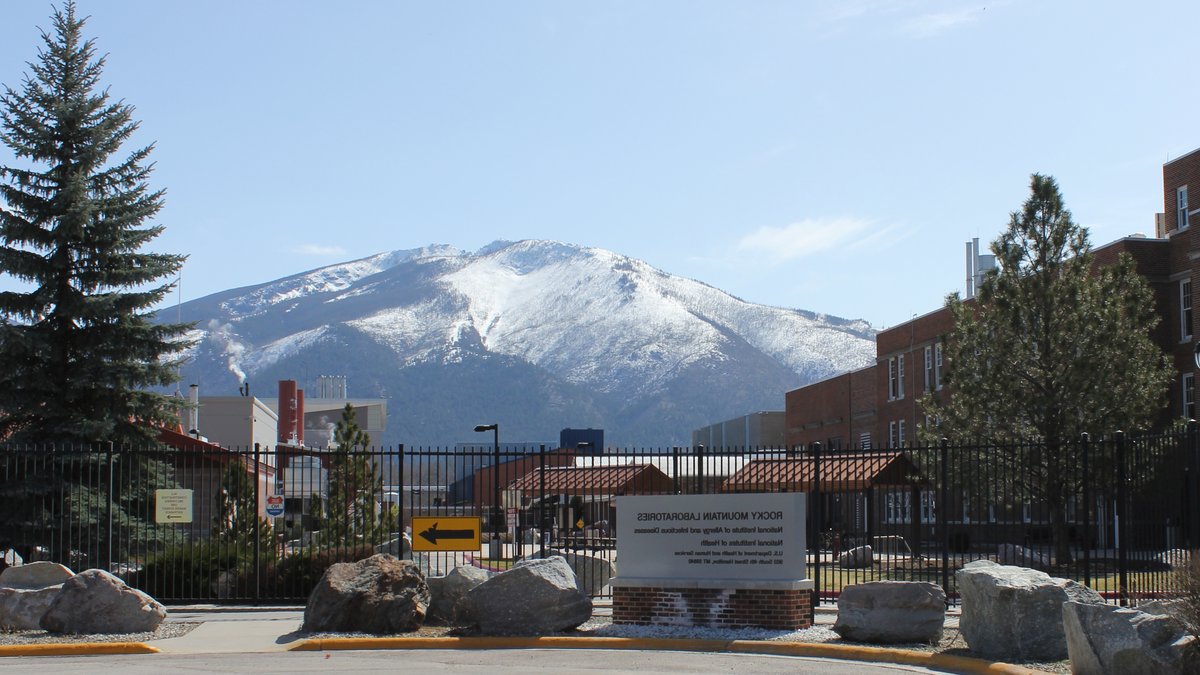
Rocky Mountain Laboratories remains one of the few Biosafety Level 4 facilities worldwide, capable of studying the most lethal pathogens. Established in the early 1900s to investigate Rocky Mountain spotted fever, the lab now handles viruses such as Middle East respiratory syndrome, Nipah, Ebola, and avian influenza.
Related: Women Share Stories of Pregnancy Center Experiences
Peter Daszak, a zoologist whose own NIH‑funded nonprofit has been scrutinized, described Munster’s team as “the go‑to group for highly dangerous viruses.” Daszak noted that Munster’s field work, including collecting samples from “red zones,” has been vital for developing diagnostic tests that guide outbreak responses.
Critics argue that the focus on alleged paperwork violations distracts from the real threat of emerging viruses. “While we sit around removing pandemic preparedness grants, arresting scientists, locking them up in some cases,” Daszak warned, “viruses are out there evolving.”
The scientific community watches closely, aware that the outcome could set a precedent for how federal research involving dangerous pathogens is regulated and perceived by the public.
