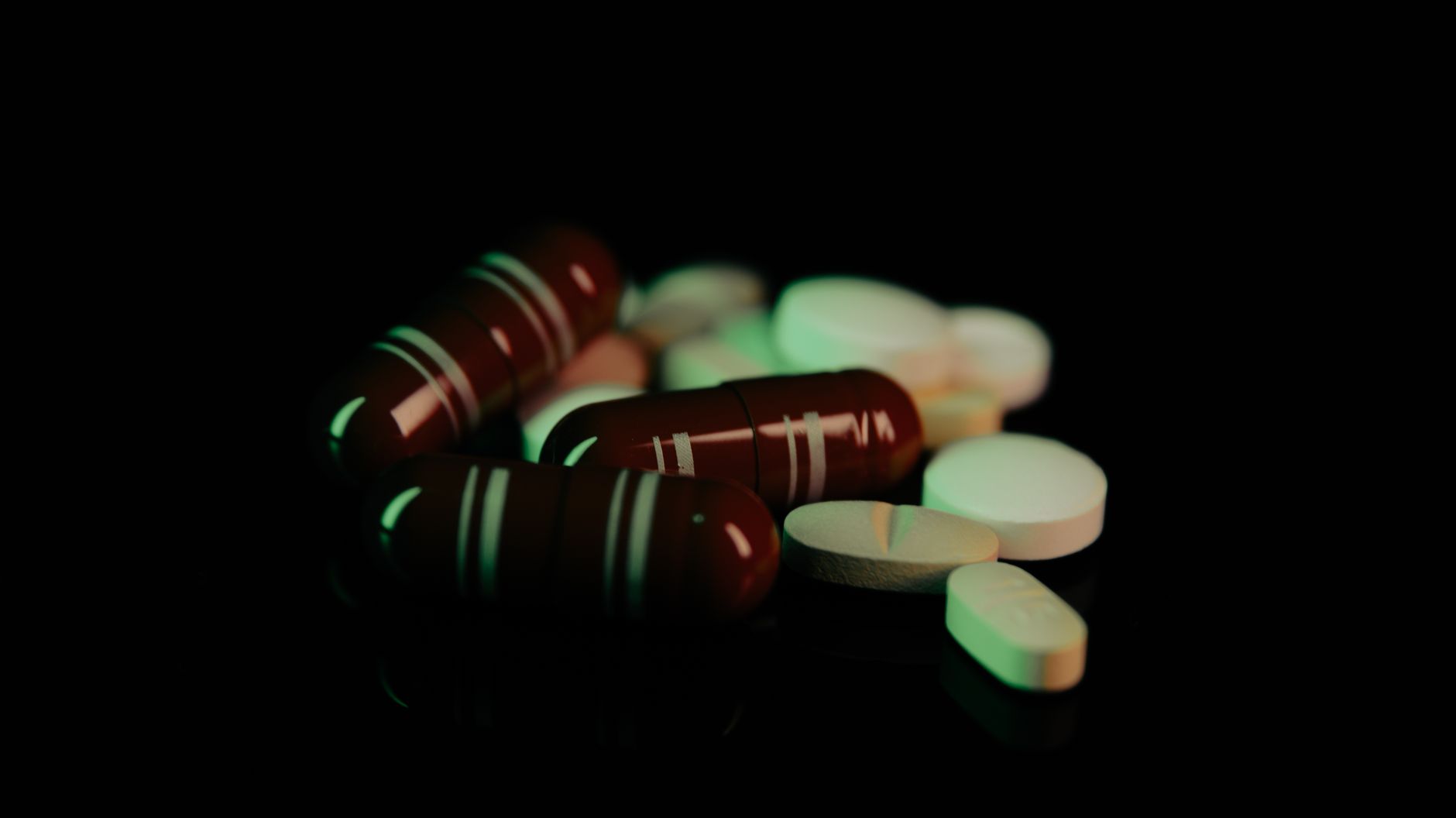
The Pills in Your Cabinet Might Be Killing You—And Why Big Pharma Hopes You Never Check Drug Watch
I remember sitting across from a client three years ago who had just been diagnosed with a rare form of bladder cancer. He was a marathon runner, a non-smoker, and a health nut. He couldn’t figure out what went wrong until we started looking at his decade-long habit of taking a common heartburn medication. He trusted the shiny logo on the box. He trusted the doctor who said it was safe for daily use. He didn’t know that behind the scenes, the data was screaming “danger” while the marketing team was screaming “relief.” That’s the moment I realized that being a passive consumer of medicine is a gamble most of us are losing. We need a drug watch mentality, or we’re just statistics waiting to happen.
The Myth of the Bulletproof FDA Approval
Most people treat an FDA approval like it’s a divine decree of safety. I’ve seen this misconception destroy lives. Let’s be blunt: the FDA doesn’t actually do the testing. They review the data provided by the very companies that stand to make billions from the drug’s success. It’s a system built on trust in an industry that has repeatedly proven it doesn’t deserve it. When a drug hits the market, that’s when the real trial begins—with you and me as the lab rats. This is where “post-market surveillance” comes in, which is just a fancy way of saying they wait to see how many people get sick before they issue a black box warning.
I’ve spent half a decade tracking these patterns. You see a drug launch with a massive ad campaign featuring happy families in meadows. Two years later, the first reports of kidney failure trickle in. Four years later, a class-action lawsuit is filed. By the time the general public hears about it on the evening news, the damage is irreversible for thousands. Staying ahead of this curve isn’t just about being cynical; it’s about survival. You have to look at the side effects that aren’t printed in bold. You have to watch the litigation trends because lawyers often find the “smoking gun” internal memos long before regulators do.
Why Mass Torts are the Canary in the Coal Mine
I often get asked why I pay so much attention to those “annoying” lawyer commercials about Zantac, Roundup, or Talcum powder. Here’s the secret: those lawsuits are often the most honest drug watch tool we have. When a law firm spends millions on discovery, they are digging up the scientific studies that pharmaceutical companies “forgot” to publish. They are uncovering the emails where executives discuss profit margins versus mortality rates. If you see a sudden surge in litigation around a medication you’re taking, that’s not just “ambulance chasing.” It’s a massive red flag that the clinical data was likely doctored or suppressed.
I’ve seen cases where a drug was marketed for off-label uses that it was never tested for, simply because the patent was about to expire and the company needed one last cash grab. They knew the risks. They calculated the cost of potential lawsuits and decided the profit was still higher. It’s a cold, calculated math. When you start monitoring these legal battles, you aren’t just looking for a payout; you’re looking for the truth about what that chemical is doing to your cellular structure. It’s gritty, it’s depressing, but it’s the only way to see through the corporate veil.
Becoming Your Own Pharmacological Sleuth
You can’t rely on a five-minute consultation with a rushed GP to understand the long-term risks of a new prescription. I’ve talked to doctors who admit they get most of their “education” on new drugs from the attractive sales reps who bring lunch to the office. It’s a systemic failure. To protect yourself, you have to do the heavy lifting. This means looking up the “Adverse Event Reporting System” (FAERS) data. It means checking if the drug has been banned or restricted in the EU, which often has much stricter safety standards than the US. If Europe says “no” and America says “yes,” you should probably be asking why.
Don’t just read the pamphlet that comes with the bottle. Those are written by lawyers to minimize liability, not to inform you. Look for independent peer-reviewed studies that aren’t funded by the manufacturer. It sounds like a lot of work, and it is. But after seeing the alternative—watching a family navigate a preventable chronic illness—I can tell you the homework is worth it. I tell my friends and family the same thing: if the side effects list includes the very thing the drug is supposed to treat, or if it mentions “permanent nerve damage” as a “rare” occurrence, believe the warning, not the “rare” part. To a pharmaceutical giant, you’re a rounding error. To your family, you’re everything.
The Dangerous Allure of ‘New and Improved’
There is a dangerous trend in the industry called “evergreening.” When a blockbuster drug is about to lose its patent, the company tweaks one molecule, calls it “New and Improved,” and launches a fresh marketing blitz. I hate this tactic with a passion. Usually, the “old” drug was better studied and cheaper, while the “new” one has zero long-term safety data. Yet, patients are pushed toward the new version because it’s more profitable. This is where a lot of the hidden dangers lurk. We see it with blood thinners, diabetes meds, and antidepressants constantly.
I always advise people to be wary of any drug that hasn’t been on the market for at least seven to ten years. That’s usually how long it takes for the “hidden” side effects to manifest in the general population. If you’re taking something that was approved six months ago, you are the clinical trial. You are the data point. If there’s a safer, older alternative that’s been used for thirty years, that’s almost always the smarter bet. Innovation is great for iPhones; it’s often terrifying for internal medicine.
The Final Verdict: Knowledge is the Only Antidote
The pharmaceutical industry isn’t inherently evil, but it is an industry. Its primary obligation is to shareholders, not your liver or your heart. Once you accept that reality, you stop being a victim and start being a guardian of your own health. Keeping a “drug watch” means staying skeptical of every “miracle cure” and keeping a close eye on the recalls and lawsuits that never make the front page. It means being the “difficult” patient who asks too many questions. I’d rather be the guy who questioned his meds than the guy who ended up in my office with a life-altering diagnosis and a mountain of medical bills.
At the end of the day, you are the last line of defense. The doctor might prescribe it, the FDA might approve it, and the pharmacy might dispense it, but you’re the one who has to live with the consequences of swallowing it. Don’t take the bait of the glossy commercials. Do the digging, watch the trends, and never assume that “available” means “safe.” Your health is the only asset you can’t replace once it’s broken, so treat every pill like the potent chemical it is, rather than a harmless candy for your symptoms.
