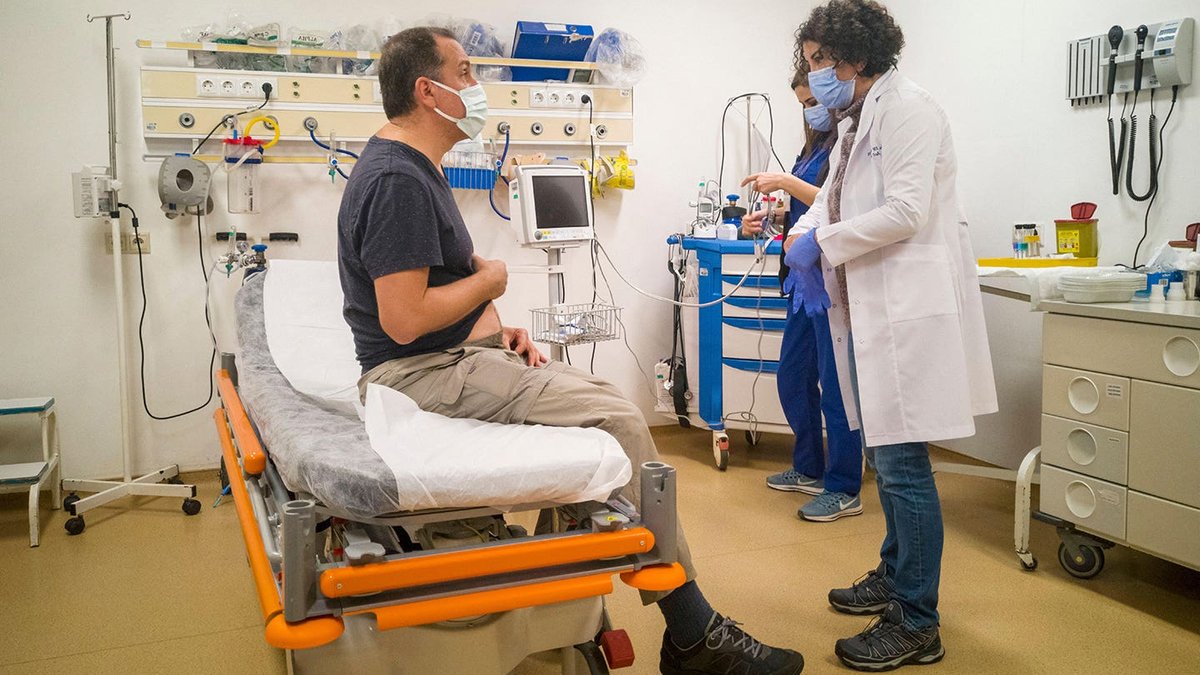
A study of three jurisdictions found that unannounced drills using professional actors posing as patients exposed gaps in how healthcare facilities respond to a potential infectious disease outbreak, such as avian influenza A(H5). The study, which included 73 drills at 69 healthcare facilities in New Jersey, New York, and the U.S. Virgin Islands, revealed that patient actors were successfully masked and isolated in only 60.3% of drills.
According to the report, fewer than half of the drills met the target times of 1 minute for masking and 10 minutes for isolation, with 43.1% and 48.1% of drills achieving these times, respectively. Nang Thu Thu Kyaw, PhD, of the New York City Department of Health and Mental Hygiene, and colleagues noted that recent infectious disease outbreaks have reinforced the importance of rapidly recognizing and safely managing patients with potentially severe transmissible infections.
Drill Methodology
The New York University Standardized Patient Program carried out the simulations between January and June in emergency rooms, outpatient hospital clinics, and urgent care centers across New York City, the state of New York, New Jersey, and the U.S. Virgin Islands. Actors portraying patients, aged 20 to 28, reported symptoms resembling avian influenza and provided histories that included recent contact with sick or dead birds, while indicating no recent travel.
In 63.4 % of the scenarios, clinicians correctly recognized the actors as being at risk for avian flu, and infection-prevention and control personnel were alerted in 54.8 % of cases. Nearly all exercises (93.2 %) triggered a symptom screen, and clinicians recorded patients’ travel histories in 79.5 % of the drills.
Read Also: Photon Radiation Shows Better Survival Than Protons
Findings and Recommendations
However, patients were asked about avian flu-specific exposure history in only 9.6% of the drills. Symptom screening occurred a median 4 minutes after a patient’s arrival. To help shorten delays in masking and isolation, screening protocols and IPC training should include staff who are likely to encounter patients first, such as receptionists, registrars, greeters, and security personnel, Kyaw and colleagues noted.
About one-fifth of facilities (18%) didn’t give a mask to a patient actor who was visibly coughing and reported having a fever, while 19% of clinicians didn’t wear a mask or a respirator when they performed clinical evaluations. The New York City Department of Health and Mental Hygiene provides an online mystery-patient drill toolkit.
Limitations of the study include the relatively small sample of drills performed in outpatient hospital and urgent care locations, which may restrict how broadly the results can be applied. Patient actors also couldn’t exhibit all avian-flu signs, such as fever or conjunctivitis, potentially reducing clinicians’ consideration of avian flu in their differential diagnoses.
