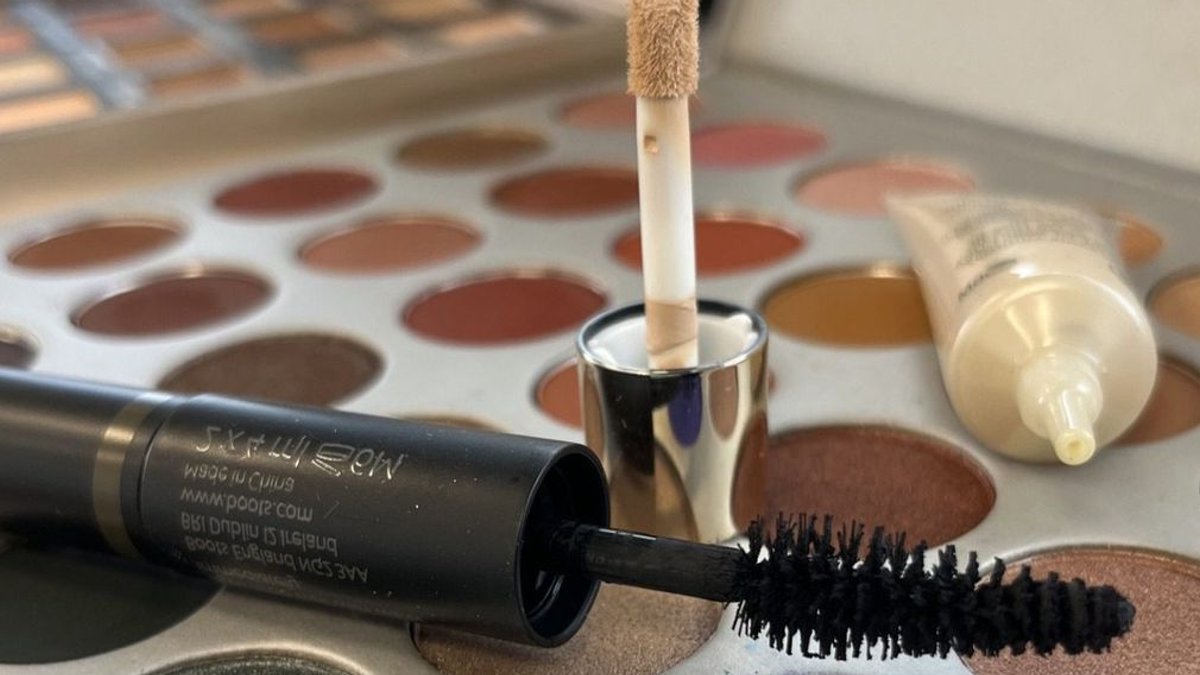
The Tear Film & Ocular Surface Society (TFOS) has identified cosmetics as a significant, modifiable risk factor in eye health, particularly for those with ocular surface disease. Their Lifestyle report categorizes beauty products as contributors to conditions affecting the tear film, eyelids, and surrounding tissues. For eye care professionals, the issue spans product composition, application techniques, wear duration, and removal methods—all of which influence ocular safety.
Today’s beauty regimens have expanded far beyond conventional makeup. Primers, eyelash adhesives, extensions, and even prostaglandin-analogue serums now remain near the eyes for prolonged periods. Improper application, especially near the mucocutaneous junction, where skin meets mucous membranes, allows particles to infiltrate the tear film. Research demonstrates this disrupts the lipid layer, destabilizing tears. Additional procedures like lash lifts, tinting, and tattooing introduce further risks, often without the same oversight as medical interventions.
Chemical components in cosmetics, including preservatives, surfactants, and film-forming agents, pose direct threats to the eye’s surface. The TFOS report singles out preservatives such as benzalkonium chloride, parabens, and formaldehyde-releasing compounds as particularly damaging. Even when present below regulatory thresholds, these substances can harm corneal, conjunctival, and meibomian gland cells, exacerbating dry eye symptoms.
Dr. Byki Huntjens, an optometrist and education lead at the UK Association of Optometrists, investigates how cosmetics interact with contact lenses and dry eye conditions. Her findings support the TFOS Lifestyle initiative, which promotes education and research to mitigate these risks. Dr. Alison Ng, a lecturer at Cardiff University, specializes in ocular surface disease and advocates for stricter guidelines on cosmetic use near the eyes.
Read Also: Mobile Chair Scale Links Directly to Digital Records
Current regulatory frameworks treat cosmetic procedures differently from medical treatments, even when applied to sensitive eye tissues. The TFOS report notes that while some countries require pre-market safety data for certain eye-area products, others impose no restrictions. This inconsistency leaves patients and practitioners without uniform guidance on safe practices.
Clinical trials examining cosmetic-ocular interactions remain limited. Most studies focus on individual ingredients rather than full formulations or application methods.
Public awareness campaigns have begun addressing the issue, but progress is slow.
