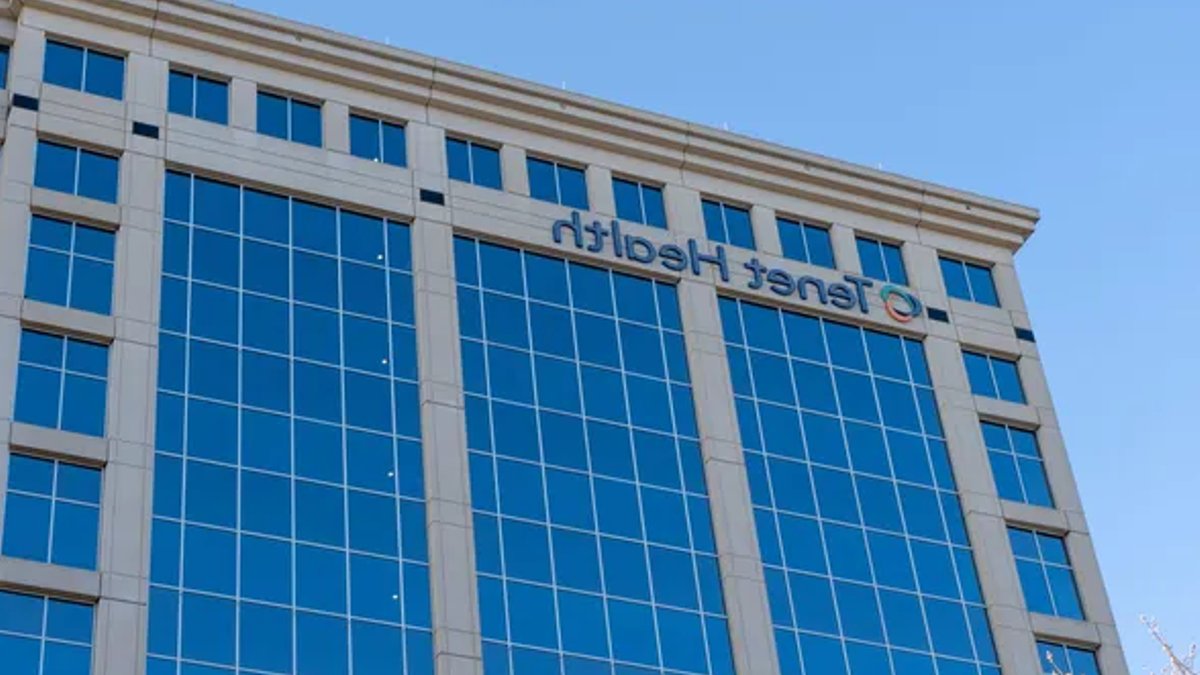
Tenet Healthcare raised its 2026 earnings guidance after a shift toward high-acuity surgeries helped it offset declines in procedure volumes during the third quarter. CEO Saum Sutaria noted on a recent investor call that while the broader surgical market remained weak, described as “not gangbusters”, Tenet’s focus on complex, specialized procedures had stabilized its finances amid rising uninsured rates and reduced procedure volumes.
The company now projects full-year net income between $2.97 billion and $3.08 billion, on operating revenues of $22.1 billion to $22.5 billion. This follows a pattern seen across for-profit hospital chains, where declining surgeries, driven by patients delaying procedures due to cost, have pressured earnings. Tenet’s outpatient and hospital surgery volumes fell 1.5% and 1.1%, respectively, compared to the prior year.
Unlike many competitors, Tenet grew earnings and margins in both hospital and ambulatory units. Executives credited a long-term strategy of prioritizing high-acuity cases, such as joint replacements, advanced spinal fusions, and robotic-assisted urological procedures. These procedures generate higher revenue per case, helping offset financial strain from other areas.
The acquisition of United Surgical Partners International (USPI) in 2022 played a key role. As the largest ambulatory surgery network in the U.S., with 535 ambulatory surgery centers (ASCs) and 25 surgical hospitals across 37 states, USPI performed 12.8% more total joint replacements in Q3 than the prior year. This focus drove a 9.1% increase in adjusted earnings before interest, taxes, depreciation, and amortization (EBITDA), reaching $537 million for the quarter.
Tenet plans to continue emphasizing high-acuity procedures, including more orthopedic and cardiac cases, as outpatient care becomes a larger share of the healthcare system. Sutaria called these “important drivers” for financial performance in the coming years, particularly as hospitals face pressure from shifting patient volumes.
Outpatient settings have been less affected by the uninsured trend, as many without coverage avoid expensive elective procedures. However, hospitals still see higher uncompensated care costs when sicker patients arrive without insurance. Tenet’s exchange-related admissions and revenues fell 18% year-over-year, accounting for 5.5% of net operating revenues. The company also reported an increase in unpaid admissions across inpatient and outpatient visits in Q3.
While the impact of subsidy expirations stabilized in Q3 compared to earlier this year, Tenet did not disclose the quarterly loss from exchanges. Earlier, it estimated a $250 million hit for the full year. A one-time financial boost came from the termination of a revenue cycle management contract with CommonSpirit. The company regained full ownership of its subsidiary, Conifer Health, after CommonSpirit agreed to pay $1.9 billion over three years to exit the agreement. The transition was accelerated by two months, with completion now set for October 30, further supporting Tenet’s adjusted guidance.
