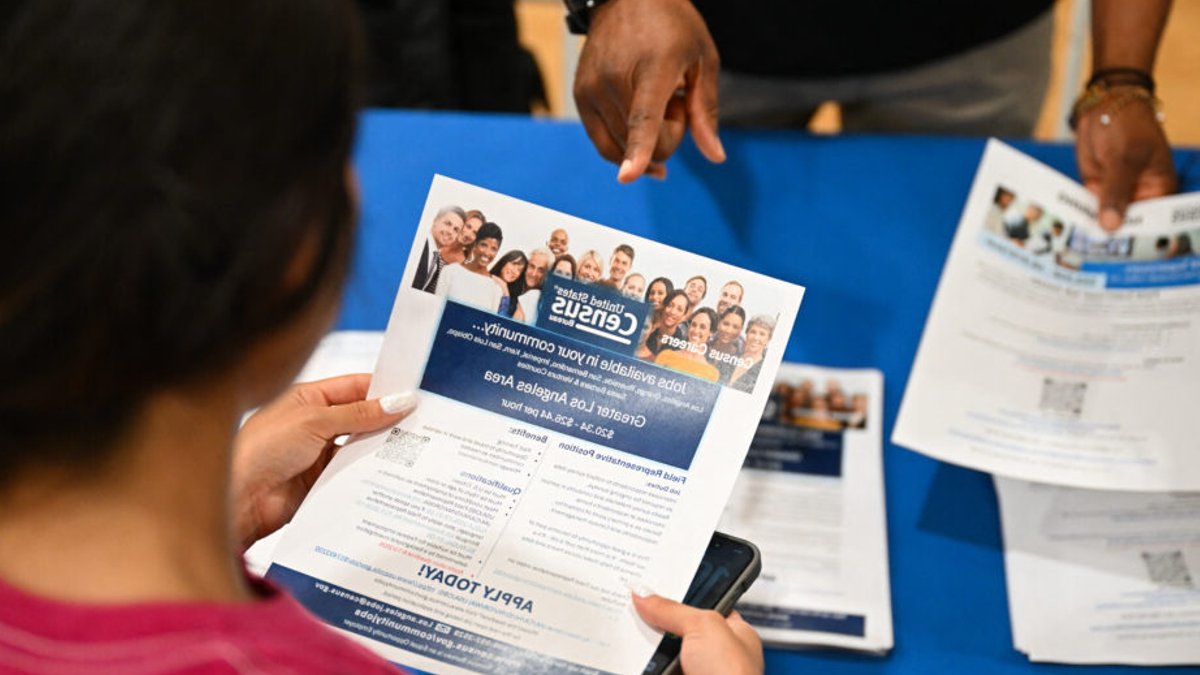
In 2030, U.S. mortality and morbidity rates are projected to rise sharply. This increase is not attributed to a new pandemic, a surge in existing diseases, or reduced healthcare access. Instead, it stems from proposed changes to the 2030 U.S. census, which could artificially inflate these rates by reducing the counted population.
The rise will impact all states, with college-age and retirement-age individuals, people of color, and immigrants experiencing the most significant changes. These groups are particularly vulnerable to being undercounted under the new rules, exacerbating existing health disparities.
Census Changes Could Distort Health Data
On September 10, the U.S. Federal Register published a notice titled “Decennial Census of the Population of Americans; Proposed Residence Criteria and Proposed Regulations for Demographic Questions.” This document outlined three significant changes to the 2030 U.S. census, which threaten to reduce the counted population and distort health data. The initial window for comments was a scant 33 days, with comments due by October 13, but public pushback extended the period to November 2.
The first change would limit the count to “citizens or lawful permanent residents,” excluding international students, work visa holders, refugees, and undocumented immigrants. This exclusion directly contradicts the 14th Amendment, which mandates counting the “whole number of persons in each state.”
The second change would base counts on residence from January 3 to April 1, using tax records. This could result in college students being counted at their parents’ address rather than their college town, and seasonal workers or “snowbirds” being counted in warmer states instead of their primary residences.
The third change would eliminate questions about race, ethnicity, and sexual orientation, erasing critical data needed to track health inequities.
Related Post: Health Spending Drives Middle East Economic Development
Public Health Experts Raise Concerns
Public health experts have voiced strong concerns. Nancy Krieger, a professor of social epidemiology at the Harvard T.H. Chan School of Public Health, warns that the changes would “render invisible longstanding and well-known American racialized health inequities.” These inequities, she notes, have historically fluctuated with policy changes, such as the reduction in disparities during the 1960s Great Society programs and their resurgence after the post-1980 conservative and neoliberal backlash.
The U.S. Census Bureau relies on census data for 50 critical tasks, including hospital planning, emergency response, and disease spread assessment. Inaccurate data could severely hinder these efforts, particularly in addressing issues like maternal mortality, which disproportionately affects Black women, even those with higher education levels.
The extended comment period until November 2 offers a key opportunity for public input to prevent these harmful changes.
Impact on Federal Funding and Resource Allocation
The proposed census changes will alter federal funding formulas for program eligibility and resource allocation. Excluding individuals from the census count does not eliminate their needs but will skew the data used to determine funding. This distortion will affect sectors such as health, education, and transportation, compromising the accuracy of population-based surveys and leading to misguided policies.
Long-Term Consequences for Health Equity
Removing race and ethnicity questions from the census will obscure persistent racialized health inequities in the U.S. Historical data reveals that socioeconomic and racial disparities in mortality rates have fluctuated over time, reflecting policy changes and societal shifts. For example, between 1966 and 1980, U.S. socioeconomic and racialized inequities in rates of death before age 65 shrank, only to rise thereafter. These patterns likely reflect the beneficial impacts of the 1960s Great Society programs, followed by the post-1980 conservative and neoliberal backlash.
