Epilepsy is one of the most common neurological conditions in children, yet it remains widely misunderstood—by parents, the public, and even some medical professionals. The disorder doesn’t fit a single profile. A seizure can be a brief, harmless event or a life-altering crisis, depending on its cause. In Qatar, researchers are pushing the boundaries of genetic diagnostics to redefine how epilepsy is diagnosed and treated, moving away from a one-size-fits-all approach toward precision medicine.
Epilepsy: A Spectrum of Disorders
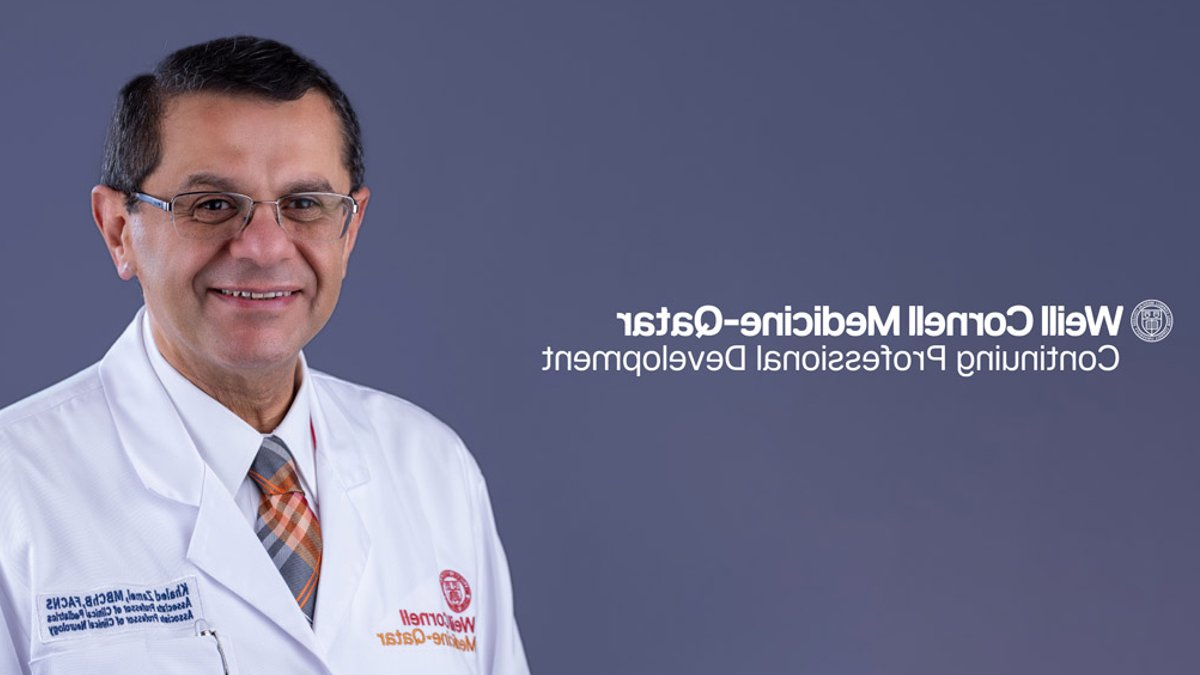
Dr. Khaled Zamel, an associate professor of clinical pediatrics and neurology at Weill Cornell Medicine–Qatar and senior consultant at Sidra Medicine, explains that epilepsy isn’t just one condition but a spectrum of disorders. A seizure is a single episode of abnormal electrical activity in the brain, but its presentation varies widely. Some seizures resemble colic in infants or daydreaming in older children, while others involve full-body convulsions. Febrile seizures, triggered by fever in young children, occur in 3, 5% of cases but are usually harmless and resolve without long-term effects.
The confusion often starts with the distinction between a seizure and epilepsy. A single seizure doesn’t mean a child has epilepsy; the disorder is defined by recurrent, unprovoked seizures. Yet parental fear often outweighs the actual risk. About two-thirds to three-quarters of children achieve seizure control with medication, but for the remaining third, treatment becomes far more complex. The causes range from genetic factors to brain malformations, immune disorders, or past injuries. Without clear answers, diagnosis can be delayed or misdiagnosed.
Read Also: UCLA Health Transforms Lung Transplant Preservation
Qatar’s Genetic Research Breakthroughs
That’s where Qatar’s research is making a difference. The country’s diverse population, including a high rate of consanguinity, provides a unique genetic environment for studying inherited epilepsies. Sidra Medicine, in partnership with Weill Cornell Medicine-Qatar, has leveraged this diversity to advance whole genome sequencing and genetic diagnostics. Sidra conducted a large study of more than 1,400 children with epilepsy between 2016 and 2019, utilizing whole exome sequencing results from commercial laboratories to establish the first detailed picture of childhood epilepsy in the country. This work is part of the broader Qatar Genome Project, which sequences genomes in-house, avoiding reliance on external labs.
Genetic testing isn’t just about confirming a diagnosis, it can reshape treatment. Some medications worsen seizures in specific genetic conditions, while others may offer targeted relief. For families, a genetic diagnosis provides clarity: whether their child’s epilepsy is likely to improve over time or requires long-term management. It also informs genetic counseling, helping parents understand risks for future children. Genetic diagnosis rates in epilepsy vary, with studies identifying underlying causes in 30, 50% of patients, particularly in early-onset epilepsies and developmental epileptic encephalopathies.
Yet the shift toward genetic diagnostics isn’t just about lab work. Sidra’s pediatric epilepsy program integrates multiple disciplines under one roof: neurology, neurosurgery, genetics, and dietary therapy. Advanced imaging, including MRI and PET scans, helps pinpoint the source of seizures, especially for children who may benefit from surgery. The ketogenic diet, once controversial, has proven effective for some genetic syndromes like Dravet and Lennox-Gastaut, offering seizure reduction when medications fail.
Read Also: UCLA performs world’s first bladder transplant
For families, the emotional burden often outweighs the medical one. The program prioritizes accurate information and open conversations to combat stigma and misinformation. The goal isn’t just to treat seizures but to ensure children can attend school, play, and live without unnecessary restrictions.
Emerging Gene Therapies for Epilepsy
Looking ahead, the field is moving toward even more personalized care. Gene therapy for conditions like Dravet syndrome, currently in trials, could offer curative options by targeting the root cause rather than symptoms. Sidra provides genetic therapies for other neurological disorders, such as spinal muscular atrophy (SMA).
Qatar’s contributions extend beyond its borders. The country’s research collaborations with centers in Saudi Arabia and beyond help fill gaps in global knowledge, particularly in genetic epilepsy. As technology advances, genetic testing will become faster and more affordable, narrowing the gap between diagnosis and treatment. For children with epilepsy, the future isn’t just about managing seizures, it’s about restoring normalcy, reducing fear, and ensuring no family has to work through the condition alone.
