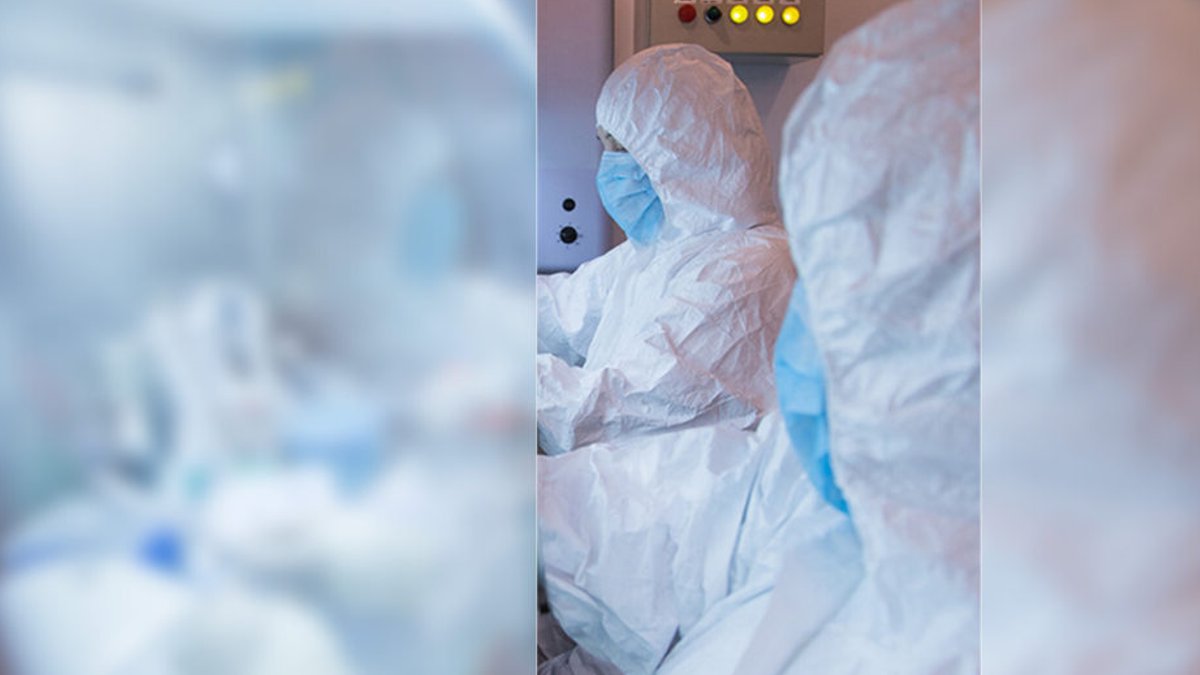
A laboratory worker in Siberia died after contracting severe pneumonia, an incident that has prompted a global response and fueled speculation. Daria Shipilova, 28, worked at the Irkutsk Anti-Plague Research Institute, which studies dangerous pathogens including plague, anthrax, and tularemia. She was admitted to a hospital on September 29 with severe pneumonia and died approximately two days later. Early news stories suggested that Shipilova may have had pneumonic plague, but Russian authorities have described her illness as pneumonia of unknown etiology and said that testing has not identified a pathogen associated with her work.
Public health agencies have imposed quarantines on at least one medical facility and are tracking nearly 200 contacts. Tests have identified COVID-19 and rhinovirus in some individuals, but no confirmed plague cases or sustained human-to-human transmission have been detected. The World Health Organization has stated there are no verified plague cases in Irkutsk and no additional infections among monitored contacts. Despite this, uncertainty persists about the cause of Shipilova’s illness and the status of a second employee with unexplained pneumonia.
Discussions about a laboratory accident, biological weapons, or a new pandemic have intensified. Current evidence, however, does not support these concerns. Plague, caused by Yersinia pestis, remains a known threat, but effective treatments exist. Public health measures such as contact tracing and isolation can prevent spread. Unlike SARS-CoV-2, pneumonic plague does not transmit easily between people without direct respiratory exposure, and asymptomatic transmission has never been documented.
Russia’s history with biological weapons research adds complexity to the situation. The Soviet Union operated a covert program involving deadly pathogens, and a 1979 accident in Sverdlovsk released aerosolized anthrax spores, killing at least 66 people. Initially, officials blamed contaminated meat, but later investigations confirmed an industrial release.
Read Also: Energy drinks pose threat to young people
The primary unknown remains the cause of Shipilova’s illness. Russian authorities have not confirmed whether Yersinia pestis or another pathogen was involved. The WHO has requested details on testing procedures, collected specimens, and the connection between Shipilova’s case and the second employee’s pneumonia. Without clear answers, assumptions dominate the discussion.
Russian authorities have not linked Shipilova’s illness to any of these agents, though early speculation focused on pneumonic plague due to her workplace.
Media reports have noted a second employee at the institute with unexplained pneumonia, though Russian officials have not confirmed whether this case is connected to Shipilova’s illness. The WHO’s request for details about this individual shows the need for clarity.
Historical Context and Lessons from Past Biological Incidents
Scientific analysis of the Sverdlovsk case revealed that human infections and livestock deaths followed a distinct pattern aligned with wind direction from the facility. This evidence, published in 1994, established that the outbreak stemmed from an airborne release rather than natural transmission.
