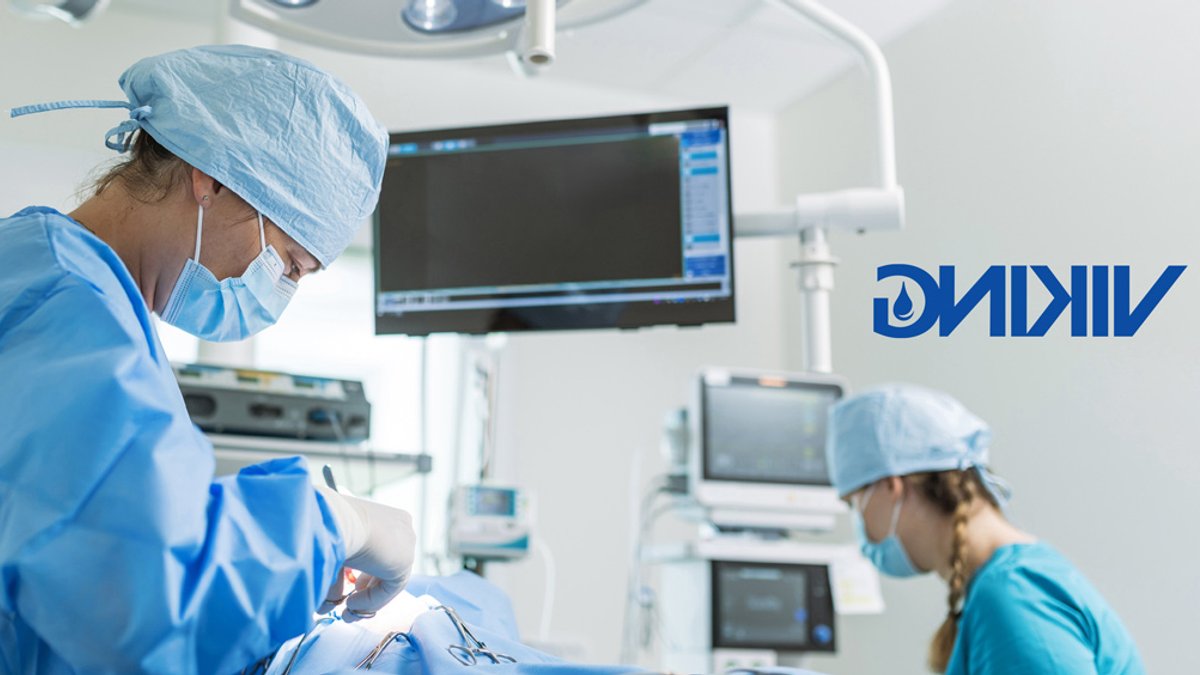
Hospitals and clinics operate without pause, treating patients who rely on uninterrupted care. When fires break out in these facilities, the stakes are higher than in most buildings. Evacuating patients in intensive care or operating rooms complicates response efforts, while medical equipment and strict hygiene rules demand specialized fire protection. Standard systems often fall short—rapid detection, precise suppression, and minimal disruption are critical, not optional.
Viking offers a full range of fire protection systems tailored to healthcare environments. Their portfolio includes water-based sprinklers, water mist, foam suppression, gas-based systems, and advanced detection technologies.
Each solution is designed for specific needs: patient wards, MRI suites, labs, and even oxygen-rich areas. The goal isn’t just compliance, it’s protecting lives, preserving equipment, and keeping facilities running.
Healthcare buildings are inherently complex. A single facility may combine patient rooms, public spaces, technical zones, and emergency infrastructure, each with distinct fire risks. Viking’s approach focuses on customization. The company’s products are built to minimize false alarms, reduce water damage, and integrate seamlessly with existing infrastructure.
A recent project at the New Children’s Hospital in Dublin highlights these challenges. As one of Europe’s largest healthcare construction efforts, the hospital required a layered fire protection strategy. Standard sprinklers with flexible hoses covered patient wards, clinical areas, and public spaces, balancing speed with water efficiency. Dry sprinklers protected basement parking, offering corrosion resistance and long-term reliability. For labs, operating theaters, and other sensitive areas, preaction sprinklers prevented accidental water discharge, a critical feature in spaces where even minor leaks could compromise equipment or hygiene.
Read Also: Benghazi University Reopens After Eleven-Year Closure
Generator rooms, considered higher-risk, used foam suppression systems for rapid fire control. The project highlighted the need for precision: each area demanded a different approach. Large-scale deliveries had to meet strict quality standards, and components were scrutinized for flaws. The firm’s role extended beyond installation, ongoing support ensured the system performed as designed throughout construction.
“Viking EMEA was one of our key partners in delivering the sprinkler system installation for the New Children’s Hospital. When it came to the scale and complexity of the project, we knew we could rely on Viking to come up with the goods, of high quality and in quantity. The project had unique challenges: if a component had flaws, they would be revealed, but Viking has stood the test of time. Viking continued to provide support throughout the process right through to completion.”
Fire safety saves lives.
Healthcare fire safety isn’t just about meeting codes, it’s about adapting to environments where seconds matter. The Dublin hospital project shows how integrated, flexible systems can address those needs without sacrificing reliability. For facilities where downtime isn’t an option, the right protection isn’t merely a requirement. It’s the difference between a controlled incident and a crisis.
