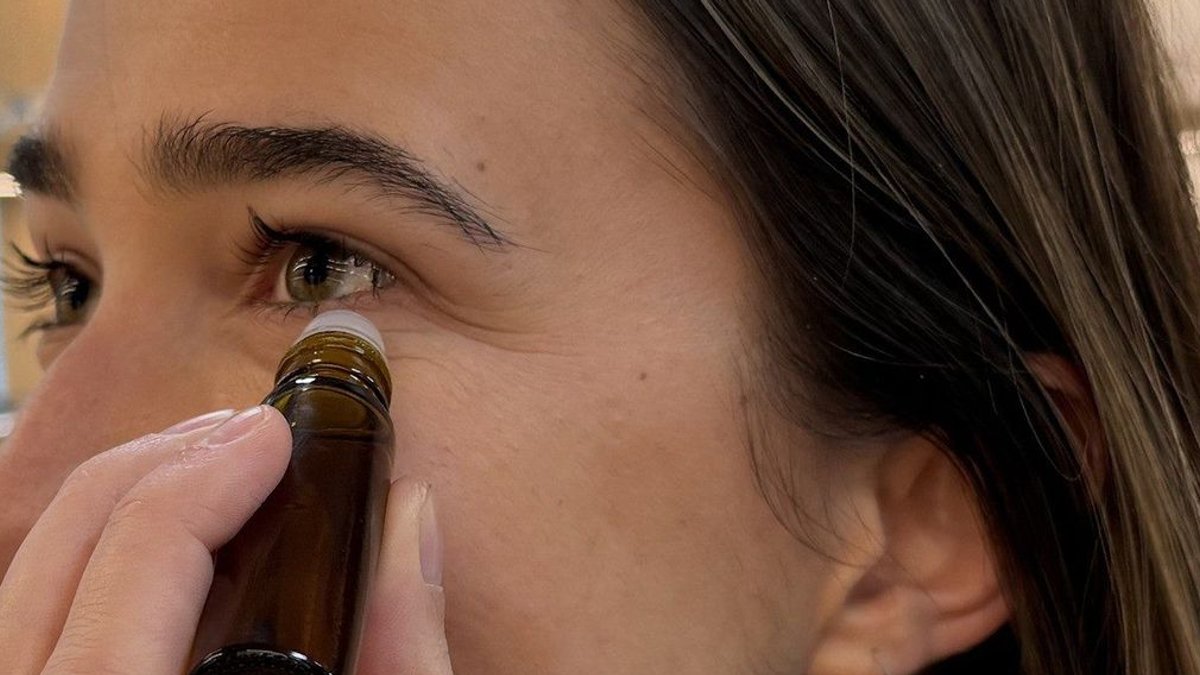
Castor oil has emerged as a potential therapy for managing blepharitis, a chronic condition causing eyelid inflammation. Researchers at the Ocular Surface Laboratory (OSL) recently evaluated the long-term effects of a periocular castor oil blend in a randomized controlled trial involving 100 participants.
Methods and Results
Participants applied either the proprietary castor oil blend or a saline placebo to their periocular skin twice daily for six months. The study was double-masked, with assessments at baseline and months one, two, three, and six. Co-primary outcome measures included eyelash crusting grade and non-invasive tear-film stability. The severity of lash crusting decreased in both groups, likely due to the mechanical removal of debris by the rollerball applicator. Both groups reported symptom improvement over time, with the castor oil group showing gains one month earlier than the placebo group.
Read Also: Study Reveals Observation Position Affects LIPCOF Grading in Dry Eye
Lipid layer thickness increased in the treated group only, despite twice-daily application. This suggests ongoing lipid migration across the lid margin throughout the day. However, no difference in non-invasive tear film breakup time was apparent between the groups. Only one mild adverse event was noted following the application of the castor oil blend, and this resolved fully upon cessation.
Practical Implications
Overall, the findings indicate that twice-daily application of a periocular castor oil blend shows only a modest benefit over a saline placebo control. The study highlights the value of increased attention to lid hygiene in those with anterior blepharitis. Catherine Jennings, an optometrist and senior PhD student at the OSL, led the research under the supervision of Profs Jennifer Craig and Alex Müntz and Dr Kalika Bandamwar. The team concluded that while the product aids lash appearance, it does not uniquely improve tear film mechanics.
