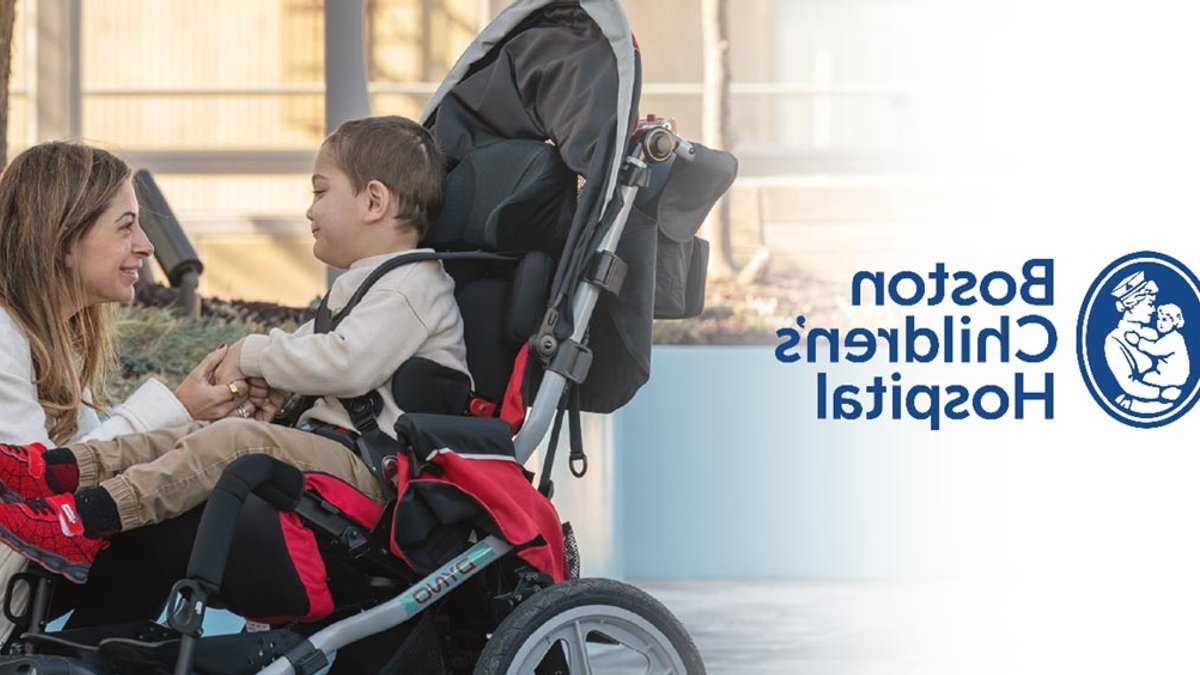
Loic, a 5-year-old boy, lives with his parents, Sherine and Mark, and his sister, Selah. He adores Spider-Man, sushi, and the Fourth of July, and his personality shines through his easy laughter, singing along to favorite shows, and charming flirtatiousness. These traits, which define Loic, were at risk of fading until recently. His parents first noticed developmental changes around his first birthday. “He wasn’t babbling as much, he wasn’t moving as much, he wasn’t pulling himself up,” Sherine recalls. After initial genetic tests came up short, full exome sequencing revealed pantothenate kinase-associated neurodegeneration (PKAN), an extremely rare and life-threatening disease.
A rare diagnosis and a mother’s fight
PKAN disrupts the brain’s processing of coenzyme-A, a molecule critical for energy production and cellular health. Over time, it leads to dystonia, causing painful muscle contractions that affect movement, posture, coordination, speech, swallowing, and vision. With no cure available, the average life expectancy for children with PKAN is 10 years. Sherine refused to accept this prognosis. “I couldn’t allow this to be the only path for him,” she says. She founded a nonprofit to accelerate gene therapy research and explored immediate support options, including medication, dietary changes, and supplements, which provided temporary relief. However, last June, Loic’s condition worsened with involuntary movements in his arms, eventually spreading throughout his body.
Read Also: Viking installs custom fire system at Dublin hospital
In her search for solutions, Sherine discovered deep brain stimulation (DBS) through the Movement Disorders Program at Boston Children’s Hospital. DBS, while not a cure, can regulate abnormal brain signals, reduce muscle contractions, and improve comfort and function in children with severe dystonia. It is also used for conditions like cerebral palsy, certain movement disorders, and some forms of epilepsy.
Deep brain stimulation: a complex procedure
DBS involves implanting thin electrodes into the globus pallidus, a brain region controlling movement. These electrodes are connected to a pacemaker-like device that sends electrical signals to steady brain activity and lessen involuntary contractions. “If we’re able to start DBS treatment in time, we may be able to regain months or even years of function,” explains Dr. Kathryn Yang.
Sherine consulted multiple centers but chose Boston Children’s for their customized, cautious approach. The team, led by Dr. Darius Ebrahimi-Fakhari and Dr. Yang, emphasized meticulous planning, including pre-surgery brain mapping and real-time imaging during the procedure to ensure precise electrode placement. Post-surgery, weeks of monitoring and adjustments were required to optimize the device’s effectiveness. “They didn’t just say they could do it. They explained how and why,” Sherine notes.
Read Also: Benghazi University Reopens After Eleven-Year Closure
In January, neurosurgeon Wes Northam performed the DBS surgery, focusing on precise electrode placement. “Even small differences in electrode placement can change how the stimulation works, and careful monitoring is essential,” Dr. Northam explains. Sherine and Loic remained in Boston for weeks of follow-up care, during which the team fine-tuned the device to ensure it was working as intended.
Small but meaningful gains
The improvements have been gradual but significant. Loic sits more comfortably, his body is more relaxed, and he has regained the ability to eat by mouth. Most importantly, his personality is reemerging, with singing and laughter returning to his daily life. “It’s been hopeful,” Sherine says. “We’re hopeful.”
