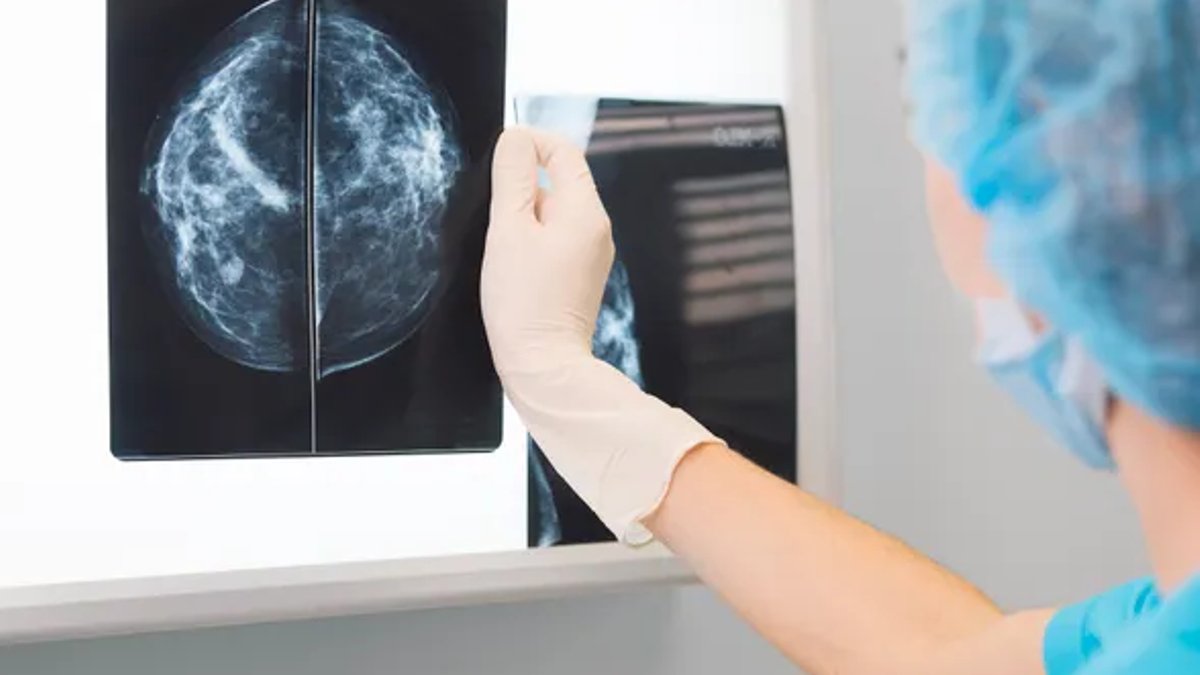
The CE mark received by Vara is a significant milestone in the integration of AI into breast cancer screening in Europe. This certification, a mandatory requirement for selling medical devices within the European Economic Area, signifies that Vara’s AI-enabled system meets the necessary safety, performance, and environmental requirements.
The AI tool, a key component of Vara’s breast cancer screening system, has been designed to autonomously categorize mammograms as normal or abnormal. In cases where the AI deems an exam normal, it can generate a report without the immediate intervention of a radiologist. However, for any mammogram classified as not normal by the AI, a thorough review by at least one radiologist is still mandatory to ensure the highest level of accuracy and patient safety.
Complying with EU AI Act and Continuous Oversight
The receipt of this CE mark by Vara comes at a time when the European Union is implementing the EU AI Act, which mandates continuous human oversight for high-risk AI systems. Vara’s safety system, ATMON, played a key role in helping the company comply with this requirement. This safety system keeps a constant watch on changes in mammography hardware and system performance, ensuring that the AI’s performance remains within acceptable limits.
Addressing Radiologist Shortage with Autonomous Triage
Breast cancer screening in Europe typically involves two radiologists interpreting a single mammogram. This double-reading approach is considered the gold standard to ensure the highest accuracy in detecting potential abnormalities. However, this process places a significant strain on the radiologist workforce, which is facing a shortage in many regions. Vara’s autonomous triage feature is designed to alleviate this pressure, particularly in population screening programs where the number of screenings is substantial.
The autonomous triage feature, authorized as a Class IIb medical device, is now accessible for screening programs across Europe. The rollout of this feature is being done in accordance with the guidelines and readiness of individual countries. In Germany, for instance, more than half of the organized breast screening program is already utilizing Vara’s system, with over 250,000 screenings processed each month.
In addition to the autonomous triage feature, Vara is also making its safety system, ATMON, available to new and existing customers. This system does not merely monitor the AI’s performance but also takes action when it detects any deviations outside the set limits. In such cases, the system can automatically revert the site back to full radiologist reading, ensuring the continued safety and accuracy of the screening process.
Commenting on this development, Vara CEO and co-founder Jonas Muff highlighted the potential shift in AI model performance when operating outside controlled study conditions. He stressed the importance of continuous monitoring to maintain the positive impact of AI on patient outcomes.
The effectiveness of Vara’s system was validated in a large-scale study published in Nature Medicine last year. This study, funded by Vara and conducted over a span of two years (2021 to 2023), compared the standard double reading by radiologists with AI-supported double reading. The study involved a substantial sample size of over 460,000 women, with slightly over half of them undergoing AI-supported screenings. The results of the study demonstrated a higher breast cancer detection rate among the AI-supported readings, showing the potential of AI in improving breast cancer screening outcomes.
