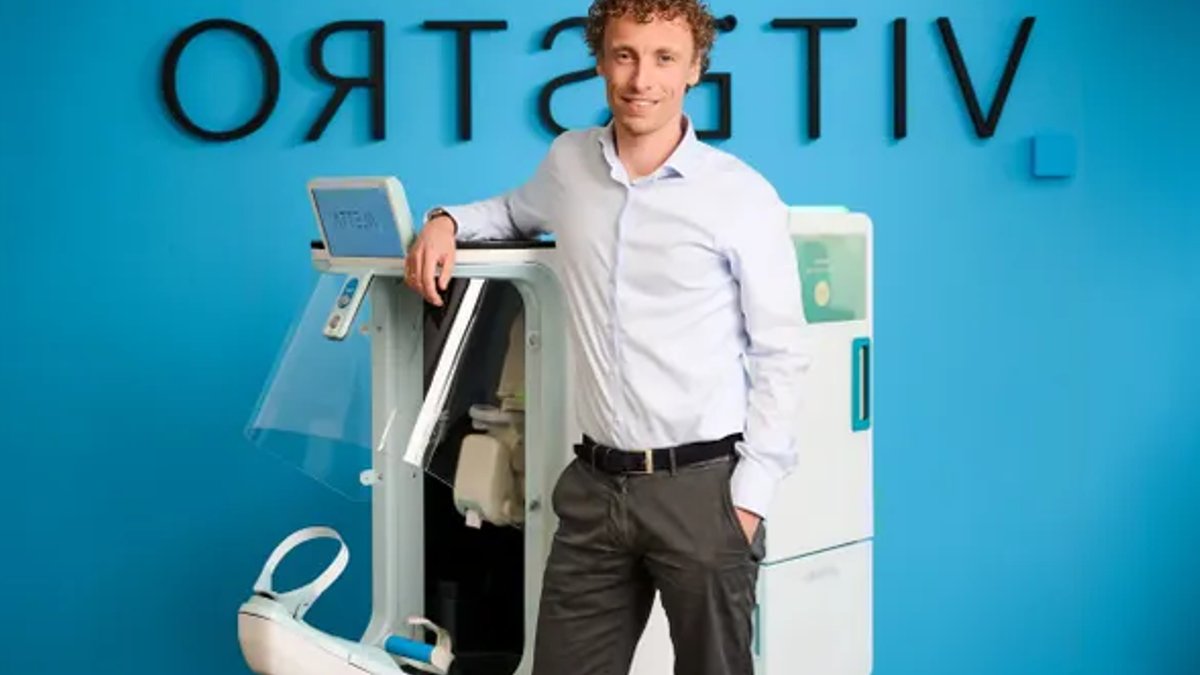
The Food and Drug Administration authorized Vitestro’s robotic blood draw device on Wednesday, marking the first time a machine has been cleared to collect blood samples without a human operator’s direct assistance.
Automating the phlebotomy process
Vitestro developed the device, named Aletta, to find veins, guide a needle, and fill collection tubes using a combination of ultrasound, robotics, and artificial intelligence. The system uses multiple forms of ultrasound to identify veins and distinguish them from arteries, according to the FDA announcement. It also handles peripheral tasks like applying a tourniquet and placing a bandage over the puncture site.
While Aletta performs the physical draw, a human phlebotomist supervises the process. One technician can oversee up to three of these autonomous units. The operator’s role is limited to verifying that tubes are filled in the correct order and are adequately full, as well as responding to any alerts the device issues. A trained professional must clean the machine between patients.
Addressing a workforce shortage
The FDA highlighted the potential of the technology to counter a shortage of phlebotomists in the United States. The agency predicted that Aletta could help mitigate this gap by allowing one technician to manage multiple blood draws simultaneously. The device received a CE mark in 2024, which allowed Vitestro to begin a limited market release in Europe.
Related: Trump picks Overton to head FDA
While the FDA’s authorization clears the path for use in American hospitals and clinics, the medical field is facing a growing reliance on automation for routine tasks. As the demand for diagnostic testing rises, facilities are increasingly looking to technology to handle standard procedures that traditionally required significant human labor, shifting the focus of clinical staff toward complex patient care rather than repetitive technical tasks.
Vitestro secured $70 million in March to bring Aletta to the U.S. market. The financing round was led by Labcorp’s venture capital arm, with participation from Mayo Clinic, Sutter Health, and Intuitive co-founder Fred Moll. The company plans to use the capital for manufacturing scale-up, clinical expansion, and commercial infrastructure development.
The FDA’s authorization of Aletta included special controls meant to support the development of other robotic blood draw devices. These controls set performance and clinical testing requirements, as well as labeling conditions, that companies must meet to use the 510(k) pathway to bring similar technologies to the U.S. market. Vitestro is currently developing a next-generation version of the device designed for deeper integration into high-volume clinical workflows.
